
Choosing smart home products can be tough. Xiaomi and Samsung are two big names. Both make many smart home gadgets. But which one is better for mid-range buyers? This article will help you understand their strengths and weaknesses. We will look at key areas like price, features, and ease of use. By the end, you can decide which brand suits your home best.
Overview of Xiaomi and Samsung Smart Home Products
Xiaomi started as a phone maker but now makes many smart home items. These include smart lights, cameras, speakers, and more. Xiaomi is known for offering many features at lower prices. Their products often have good tech inside but cost less.
Samsung is a very old and famous company. They make a wide range of electronics. Their smart home devices include smart TVs, refrigerators, lights, and security systems. Samsung focuses on quality, design, and a smooth user experience. Their products often look premium and work well.
Price and Value
Price is a big factor for many buyers. Xiaomi’s smart home gadgets often cost less than Samsung’s. Xiaomi tries to give more features for the price. This makes Xiaomi very attractive for people on a budget.
Samsung products tend to be more expensive. But they often use better materials. Their devices usually last longer and have better support. So, you pay more but get a more polished product.
| Brand | Average Price | Value for Money |
|---|---|---|
| Xiaomi | Lower | High (more features for less) |
| Samsung | Higher | Good (premium quality) |
Credit: www.phonearena.com
Smart Home Ecosystem
Smart home devices work better when they connect easily. Samsung has a large ecosystem. Its devices work well together. For example, Samsung phones, TVs, and smart lights connect smoothly.
Xiaomi also has many smart products. Their ecosystem is growing fast. Xiaomi uses the Mi Home app to control devices. It supports many types of gadgets. However, Xiaomi’s ecosystem is not as mature as Samsung’s. This means some devices may not work perfectly together yet.
Ease of Use and Software
Samsung offers better long-term software support. Their devices often get updates for years. Updates keep your devices safe and add new features.
Xiaomi’s software is improving quickly. They use an app called Mi Home to control devices. The app is simple to use. But Xiaomi updates may not last as long as Samsung’s. This could be important if you want your devices to stay up-to-date for many years.
Performance and Features
Both brands offer good performance in mid-range products. Xiaomi often offers faster charging and better camera features on some devices. For example, Xiaomi’s smart cameras have excellent zoom and night vision.
Samsung focuses on bright and clear displays. Their cameras produce vibrant colors and good video quality. Samsung devices usually have a stable and smooth performance.
Key Feature Comparison
| Feature | Xiaomi | Samsung |
|---|---|---|
| Charging Speed | Fast | Moderate |
| Camera Zoom | Strong | Good |
| Display Quality | Good | Excellent |
| Software Updates | Limited | Long-term |
Design and Build Quality
Samsung devices tend to look more premium. They use high-quality materials. This often means their products feel stronger and last longer.
Xiaomi’s designs are good but focus more on saving costs. Their products may feel lighter or less sturdy. However, Xiaomi still offers modern and attractive designs.
Which Brand Should You Choose?
Here are some simple points to help you decide.
Choose Samsung If:
- You want a smart home that works well together.
- You prefer devices with longer software updates.
- You want higher build quality and premium design.
- You like bright and vibrant displays on devices.
Choose Xiaomi If:
- You want more features for less money.
- You want faster charging and strong camera zoom.
- You are okay with a newer ecosystem that is still growing.
- You want a budget-friendly smart home setup.

Credit: www.techradar.com
Examples of Popular Mid-Range Smart Home Products
Let’s look at some Xiaomi and Samsung smart home products you can find easily.
| Product Type | Xiaomi Model | Samsung Model | Price Range |
|---|---|---|---|
| Smart Speaker | Xiaomi Mi Smart Speaker | Samsung Galaxy Home Mini | $40 – $60 |
| Smart Camera | Xiaomi Mi Home Security Camera | Samsung SmartCam | $50 – $80 |
| Smart Light | Xiaomi Mi Smart LED Bulb | Samsung SmartThings Bulb | $15 – $30 |
| Smart Plug | Xiaomi Mi Smart Plug | Samsung SmartThings Outlet | $20 – $40 |
These mid-range options show that Xiaomi focuses on value. Samsung offers solid, reliable products with smooth performance.
Final Thoughts
Both Xiaomi and Samsung have strong points for mid-range smart home buyers. Xiaomi offers many features for a lower price. Samsung provides a more refined and stable experience.
Your choice depends on what matters most. If you want a budget-friendly setup with good features, Xiaomi is a great pick. If you want devices that last longer and work well together, Samsung is better.
Think about your needs and budget. Check which devices fit your smart home style. Either way, both brands make smart home living easier and more fun.
Frequently Asked Questions
Which Is Better Samsung Or Xiaomi?
Samsung offers premium build, longer software support, and a mature ecosystem for reliability. Xiaomi delivers better value, faster charging, and superior camera hardware at lower prices. Choose Samsung for a refined experience and Xiaomi for budget-friendly, feature-rich options. Both perform well but target different user needs.
Where Does Xiaomi Rank In The World?
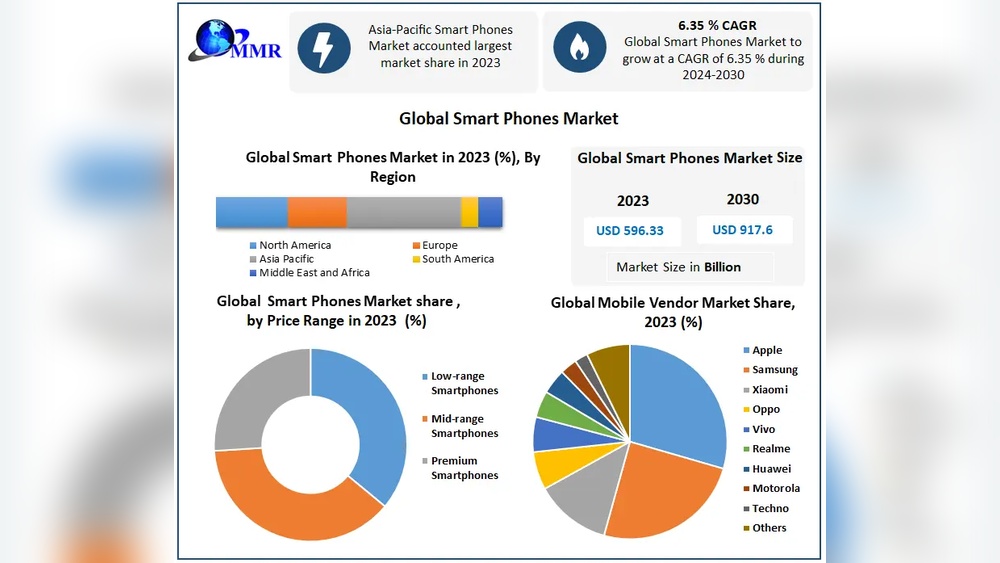
Xiaomi ranks as the world’s third-largest smartphone manufacturer by market share in 2024. It leads in value-driven mid-range devices globally.
Can Xiaomi Compete With Samsung?
Xiaomi competes with Samsung by offering better value, faster charging, and superior camera zoom at lower prices. Samsung leads in software updates and ecosystem integration. Both excel in performance, but Xiaomi appeals more to budget and mid-range buyers seeking features and affordability.
What Is The Competitive Advantage Of Xiaomi?
Xiaomi’s competitive advantage lies in offering flagship-level specs, superior camera zoom, and fast charging at lower prices. It delivers exceptional value, appealing to budget and mid-range buyers seeking advanced features without high costs.